
Motivation refers to the psychological and physiological factors that drive, guide, and energise an individual’s behaviour towards achieving specific goals or outcomes.
There are two types of motivations:
- Intrinsic Motivation
- Extrinsic Motivation
Intrinsic motivation is driven by personal enjoyment, curiosity, a sense of accomplishment, and the satisfaction of engaging in an activity for its inherent rewards.
Example: A painter is driven by intrinsic motivation to create art that reflects their unique vision and emotions. They spend countless hours experimenting with different techniques, colours, and styles to convey their creativity. The act of creating art itself is rewarding, and the artist’s motivation comes from the joy of self-expression and the desire to share their perspective with others.

Extrinsic motivation involves engaging in a behaviour to achieve an outcome or receive a reward, rather than deriving pleasure directly from the activity itself.
Example: An individual aspires to learn a new language. They enroll in a language course that offers a certification upon completion. The external motivation of obtaining the certification serves as a goal to work towards. This extrinsic incentive encourages consistent practice and study, helping the individual acquire the language skills they aimed for.

Why do we need motivation?
Motivation is a fundamental aspect of human behaviour and plays a critical role in various aspects of life.
We need motivation for big and small things in life like:
- Achieving our goals.
- For productivity and better performance.
- Personal growth.
- Our well-being
- Career success.
- Positive relationships.
- Healthy habits.
- Societal contributions.
And many more…and none of these can happen without motivation.

Motivation varies over the time. Sometimes it is low and sometimes it is high.
Common ways to feel motivated
- Set goals.
- Understanding the reasons behind your aspirations.
- Visualise yourself achieving your goals.
- Acknowledge and celebrate your achievements. Big and small alike.
- Surround yourself with supportive people, inspiring materials, and a clutter-free workspace.
- Divide your tasks into smaller, manageable chunks.
- Challenge negative thoughts and replace them with positive affirmations.
- Identify the aspects of your goals that genuinely interest and excite you.
- Establish a daily routine that includes dedicated time for your goals.
- Instead of avoiding challenges, view them as opportunities for growth. Overcoming obstacles can boost your confidence and motivation.
- Always keep seeking inspiration. Surround yourself with sources of inspiration, such as books, podcasts, videos, or role models. Learning from others’ journeys can ignite your own motivation.
- Treat yourself to small rewards after completing tasks or achieving milestones.
- Keep track of your progress and plans.
- Practice Self-Care. Taking care of your physical and mental well-being is essential for maintaining motivation. Ensure you get enough sleep, exercise, and relaxation.
- Minimise distractions that can hinder your focus and motivation. Create a dedicated workspace and allocate specific times for work and leisure.

But only motivation is not enough. You need discipline.
Why do we need motivation and discipline both
Discipline and motivation are both important factors that contribute to achieving success and reaching your goals. Both motivation and discipline work hand in hand.
- Motivation Initiates Action: Motivation provides the initial push to start a task or work toward a goal. It’s the spark that propels you into action.
- Discipline Sustains Effort: However, motivation can wane over time. This is where discipline comes into play. When motivation dips, discipline helps you stick to your routines and commitments, even when the initial excitement fades.
- Building Habits: Discipline plays a crucial role in forming and maintaining habits. Consistently engaging in tasks, even when motivation is low, helps these tasks become habitual and part of your routine.
- Overcoming Challenges: Discipline enables you to overcome challenges and setbacks that might otherwise derail your progress. It helps you push through difficult times when motivation might not be as strong.
- Long-Term Success: Motivation can be fleeting, and relying solely on motivation may not sustain your efforts in the long run. Discipline provides the structure and consistency necessary for achieving long-term success.

Example: Let’s consider an individual training to run a marathon
- Motivation: The person’s motivation stems from their desire to challenge themselves, achieve a significant fitness milestone, and experience the satisfaction of completing a marathon. They are excited about the personal accomplishment and the sense of achievement that comes with it.
- Discipline: To prepare for the marathon, the individual follows a strict training schedule that includes regular runs, cross-training, and rest days. Despite weather conditions, fatigue, or busy schedules, they stick to their training plan. Even on days when they might lack the initial motivation to run, their discipline kicks in, reminding them of their goal and the commitment they’ve made.
Throughout their training journey, the individual’s motivation serves as the initial spark that gets them started. However, it’s their discipline that ensures they consistently put in the necessary effort and remain dedicated to their training regimen, even when motivation ebbs and flows.
In this scenario, motivation initiates the desire to pursue a challenging goal, while discipline sustains the consistent effort and adherence to a demanding training routine, ultimately leading to success in completing the marathon.
Additional tips or strategies for maintaining motivation over the long term
- Regularly review and reflect on your progress and goals to reignite motivation.
- Stay adaptable and adjust your goals as circumstances evolve.
- Break long-term goals into manageable milestones for a sense of progress.
- Visualise success to stay focused on your desired outcomes.
- Keep your curiosity alive by continuously learning and exploring.
- Seek support from a network of friends, family, mentors, or partners.
- Celebrate even small achievements to reinforce motivation.
- Practice mindfulness and gratitude to appreciate the journey.
- Introduce variety into your routines to prevent monotony.
- Prioritize self-care to maintain physical and mental well-being.
- Set new challenges after achieving goals to sustain motivation.
- Use positive affirmations for a confident and positive mindset.
- Seek inspiration from diverse sources to fuel motivation.
- Track progress in a journal to recognize growth over time.
- Revisit your “why” to reconnect with your underlying motivations.
- Embrace setbacks as learning opportunities for growth and resilience.
What motivates me to workout regularly:
I gained a lot of weight during pandemic. Call it a mix of health issues, bad diet, bad mental health. So when I finally stepped on a weighing machine that served as a wake up call.
My goal was to lose that weight.
To do so my plan of action was to join a gym. I decided to go for group classes because working out alone in a gym requires a lot more motivation.
Now, when I started I decided to go for some dance classes since I was already familiar with zumba (my favourite form of workout).
I did not divide my goals into smaller goals and did not set an end date to it. I also missed on setting up accountability parameters.
So even though I was motivated at first, I failed. Because I lacked a proper plan, analytics and accountability.
Sometimes I was working out once a week and sometimes twice and so I did not see any results as well. This in turn demotivated me.
That’s when I came up with a plan.
I decided on what all workouts I would do throughout the week and booked those in advance so that I could train my brain that I had to do it.
I have been regularly working out since past 28 weeks ✨

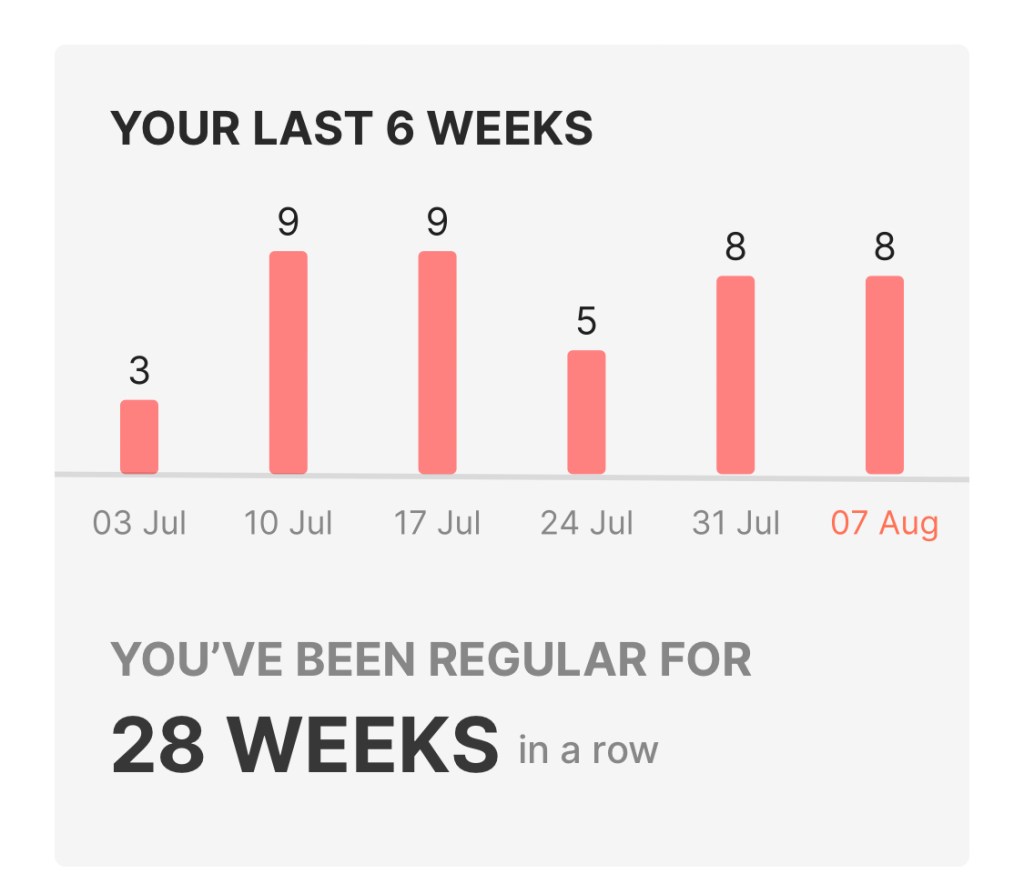






In my case, motivation served as the initial spark that got me started and my discipline ensures that I consistently put efforts to reach my goals.
In conclusion, motivation and discipline are powerful forces that shape our pursuits and accomplishments.
As we’ve explored the realms of intrinsic and extrinsic motivation, we’ve witnessed how personal enjoyment and external rewards can drive us forward. The significance of these forces is evident in every facet of our lives, from personal growth and relationships to career success and societal contributions.
It’s important to remember that motivation can fluctuate, and during these moments, discipline takes the reins to ensure consistent progress. By embracing a balance of both motivation and discipline, we unlock the potential to transform our dreams into reality. The journey might be demanding, but as exemplified through the marathon training and the story of my fitness journey, when motivation serves as the spark and discipline becomes the anchor, remarkable achievements become attainable.
So, as we embark on our quests, let’s harness the energy of motivation and the reliability of discipline to navigate the path towards our goals, making each step a testament to our determination and potential.
So, what motivates you?


 ProjectJomo
One response to “15 ways to stay motivated”
[…] Setting small, achievable goals for the day can help give you a sense of purpose and accomplishment. Even small tasks like doing the laundry or going for a walk can help boost your mood. […]
LikeLike